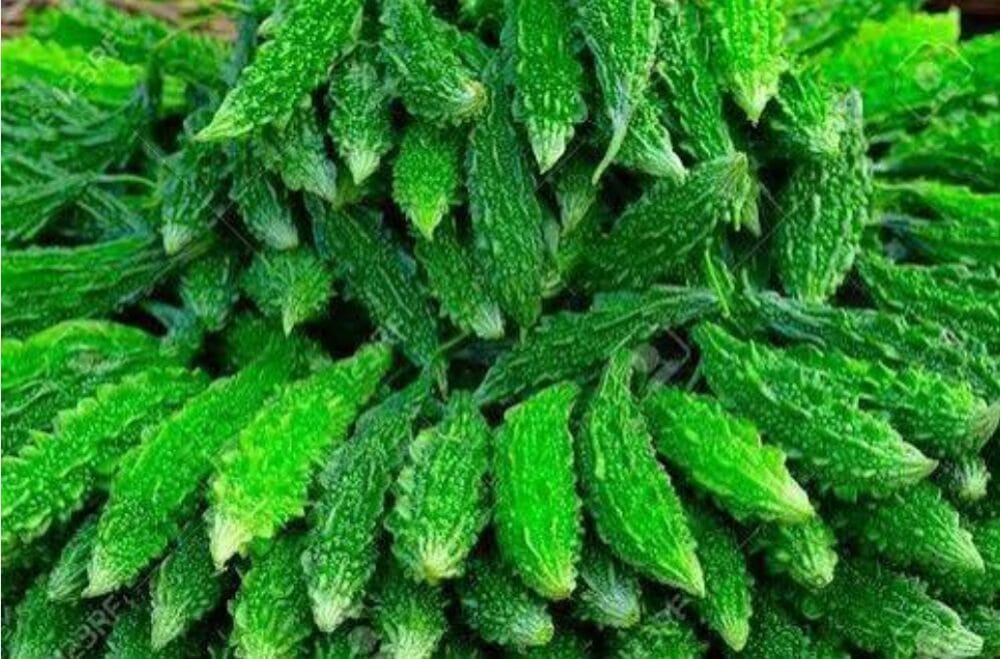
Bitter Gourd Diseases
Bitter gourd (Momordica charantia), also known as karela, is a popular vegetable crop grown widely in tropical and subtropical regions. It is valued for its nutritional and medicinal properties, but its cultivation is often affected by various diseases that reduce yield and fruit quality.
Understanding common bitter gourd diseases, their symptoms, causes, and management practices is essential for successful cultivation. This blog discusses the major diseases of bitter gourd and practical ways to control them.
1. Downy Mildew
Causal agent: Pseudoperonospora cubensis
Downy mildew is one of the most destructive diseases of bitter gourd, especially during cool and humid weather.
Symptoms: Pale yellow angular spots appear on the upper surface of leaves, while a greyish-purple fungal growth develops on the underside. Severely infected leaves dry up and fall off, weakening the plant.
Management:



- Grow resistant or tolerant varieties if available
- Ensure proper spacing and air circulation
- Avoid overhead irrigation
- Spray fungicides like mancozeb or metalaxyl at recommended intervals
Also Read: Aries HD NPK Fertilizers
2. Powdery Mildew
Causal agent: Erysiphe cichoracearum / Sphaerotheca fuliginea
Powdery mildew commonly affects bitter gourd during dry weather with high humidity.
Symptoms: White powdery patches appear on leaves, stems, and sometimes fruits. Leaves may turn yellow, dry, and drop prematurely.
Management:
- Remove and destroy infected plant parts
- Apply sulfur-based fungicides or neem oil sprays
- Maintain field sanitation and balanced fertilization
3. Anthracnose
Causal agent: Colletotrichum lagenarium
Anthracnose is a fungal disease that affects leaves, stems, and fruits.
Symptoms: Circular brown or black spots appear on leaves and fruits. On fruits, sunken dark lesions develop, making them unmarketable.
Management:
- Use disease-free seeds
- Practice crop rotation
- Spray fungicides such as carbendazim or chlorothalonil
Also Read: Disease in Tomato Plants: Causes, Symptoms, Prevention & Control
4. Mosaic Virus Disease
Causal agents: Bitter gourd mosaic virus, cucumber mosaic virus (CMV)
Viral diseases are common and can cause severe yield losses.
Symptoms: Leaves show mosaic patterns with light and dark green patches, distortion, and reduced leaf size. Plants become stunted, and fruit formation is poor.
Management:
- Control insect vectors like aphids and whiteflies
- Remove and destroy infected plants
- Use virus-free seeds and reflective mulches
- Spray neem-based insecticides to reduce vector population
5. Leaf Spot
Causal agents: Cercospora spp., Alternaria spp.
Leaf spot diseases reduce the photosynthetic area of plants.
Symptoms: Small brown or grey spots with yellow halos appear on leaves. In severe cases, leaves dry up completely.
Management:
- Avoid water stagnation
- Apply copper-based fungicides
- Maintain proper field hygiene
6. Fusarium Wilt
Causal agent: Fusarium oxysporum
Fusarium wilt is a soil-borne disease that affects bitter gourd at any growth stage.
Symptoms: Yellowing of lower leaves, wilting during the day, and eventual plant death. The vascular tissue turns brown when cut open.
Management:
- Practice crop rotation with non-cucurbit crops
- Use resistant varieties
- Apply Trichoderma-enriched compost to soil
- Ensure proper drainage
7. Root Rot
Causal agents: Pythium, Rhizoctonia spp.
Root rot mainly occurs in poorly drained soils.
Symptoms: Plants show stunted growth, yellowing, and sudden wilting. Roots appear brown and decayed.
Management:
- Improve soil drainage
- Avoid over-irrigation
- Treat seeds with fungicides or bio-agents
- Drench soil with appropriate fungicides if needed
Integrated Disease Management (IDM) for Bitter Gourd
An integrated approach combining cultural, biological, and chemical methods is the most effective way to manage bitter gourd diseases.
- Use certified disease-free seeds
- Follow crop rotation and proper field sanitation
- Maintain optimal spacing and nutrition
- Monitor crops regularly for early disease detection
- Use chemical control only when necessary and as per recommendations
Frequently Asked Questions (FAQ)
Q1. What is the most common disease in bitter gourd?
Downy mildew and mosaic virus diseases are among the most common and damaging diseases in bitter gourd cultivation.
Q2. How can I prevent viral diseases in bitter gourd?
Prevent viral diseases by controlling insect vectors, using healthy seeds, removing infected plants early, and applying neem-based sprays.
Q3. Are organic methods effective for disease control?
Yes, organic methods like neem oil, Trichoderma, crop rotation, and proper sanitation can effectively reduce disease incidence.
Q4. Can bitter gourd diseases spread through seeds?
Some fungal and viral diseases can spread through infected seeds, so using certified disease-free seeds is important.
Q5. When should fungicides be applied?
Fungicides should be applied at the early stage of disease appearance and repeated as per recommended intervals to prevent severe infection.
Proper disease identification and timely management can significantly improve bitter gourd yield and quality. By adopting integrated disease management practices, farmers and home gardeners can ensure healthy plants and a profitable harvest.
Also Read: Agriculture Blogs